Tracing Time-Zone Patterns in Global Digital Betting Activity Cycles
Anna Otto · Aug 24, 2026
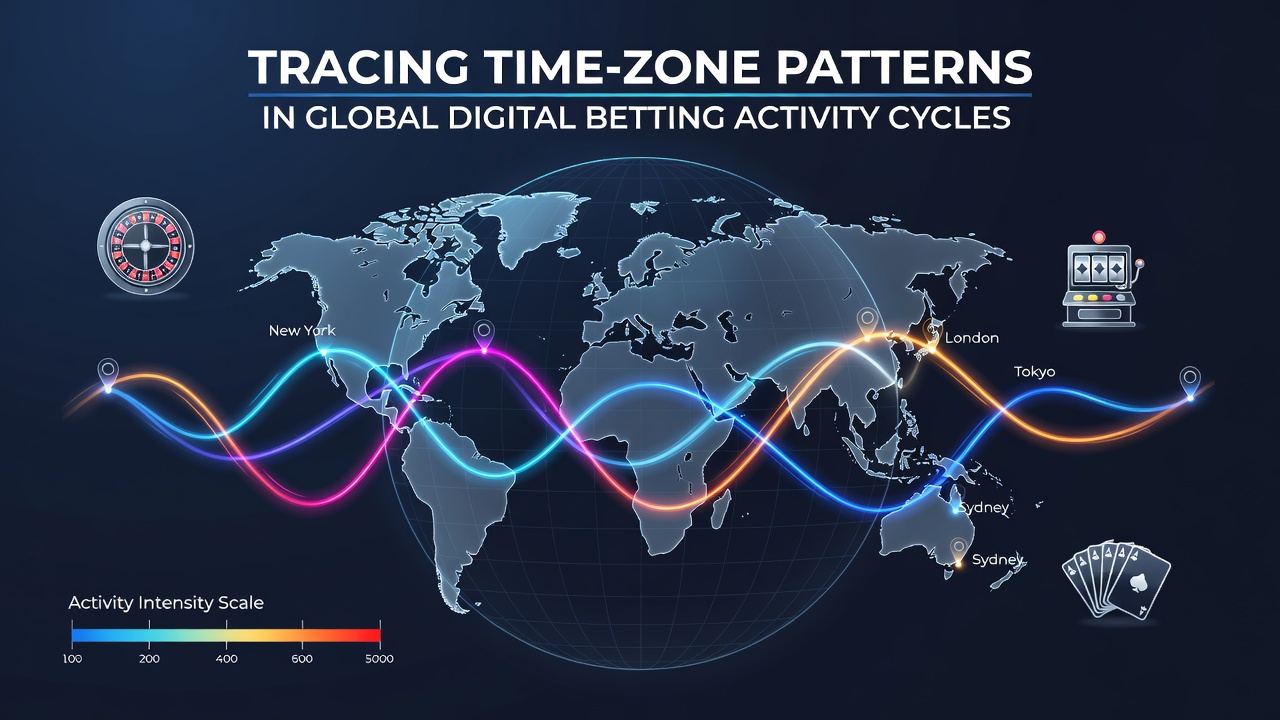
Tracing Time-Zone Patterns in Global Digital Betting Activity Cycles
Digital betting platforms record distinct activity surges that shift with the rotation of the Earth, creating measurable cycles tied to local evening hours in each region. Researchers tracking server logs from major operators have identified consistent peaks between 8 PM and midnight in dominant markets, while quieter intervals emerge during early morning across the same zones. Data compiled through 2025 and into mid-2026 shows these rhythms hold steady even as new markets open and device preferences evolve.
Regional Activity Peaks and Time-Zone Overlaps
Asia-Pacific regions generate the first major wave each calendar day, with activity climbing sharply after 7 PM in markets such as Singapore, Tokyo, and Sydney. European traffic follows several hours later, building volume once the UK and continental time zones reach evening. North American sessions then extend the cycle, overlapping with residual Asian late-night play during the 2 AM to 5 AM window in UTC terms. Observers note that these overlaps produce brief global spikes, especially when major sporting events align across hemispheres.
Figures from the Alcohol and Gaming Commission of Ontario reveal that Canadian operators experience their strongest hourly volume between 9 PM and 11 PM Eastern Time on weekdays, with similar patterns documented on weekends but shifted slightly later. Canadian regulatory reports also indicate that cross-border traffic from US players contributes additional volume during the same window because many Eastern Time Zone bettors remain active after local restrictions lift.
Seasonal Variations and Event-Driven Shifts
Summer months introduce measurable changes because daylight saving adjustments and vacation schedules alter daily routines in multiple continents simultaneously. In August 2026, platform data showed an earlier-than-usual rise in activity from southern hemisphere users during their winter break period, while northern markets maintained typical evening patterns. These adjustments created extended overlap windows lasting up to ninety minutes longer than winter averages.
One analyst who examined twelve months of transaction timestamps found that holiday weekends consistently compress or stretch the usual cycles by two to three hours depending on the region. European traffic, for instance, often begins climbing by mid-afternoon on bank holiday Fridays, whereas North American volume stays anchored to local primetime regardless of calendar events.
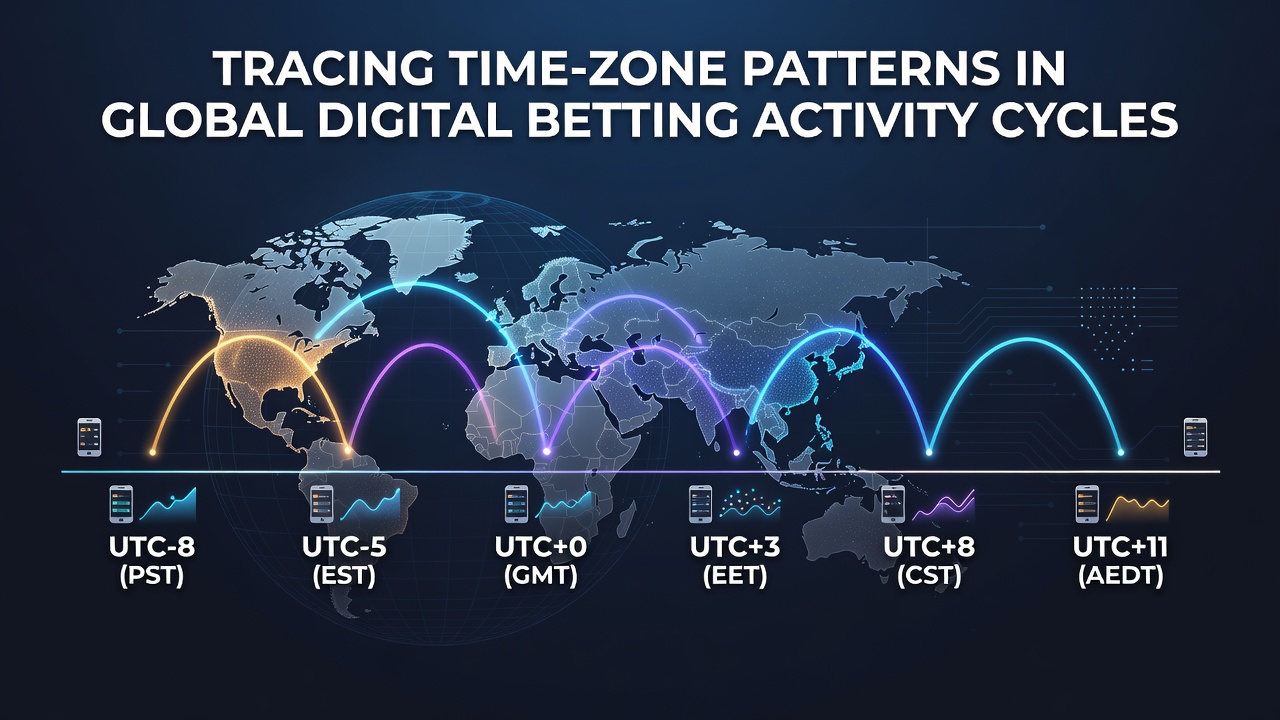
Payment and Device Influences on Timing
Mobile sessions dominate after 10 PM local time in most tracked markets, while desktop logins remain steadier during early evening. Payment processing speeds affect session length more than start times; faster e-wallet approvals correlate with extended play windows that cross into the next time-zone peak. Studies from the University of Nevada, Reno gaming research group demonstrate that users in regions with instant withdrawal options maintain activity 18 percent longer on average during overlap periods.
Operators have responded by adjusting server capacity and promotional timing to match these documented rhythms. Real-time dashboards now flag when a region enters its historical peak, allowing automated offers to activate precisely when traffic typically accelerates.
Regulatory Timing and Market-Specific Rules
Different licensing jurisdictions impose operating hours or advertising windows that further shape visible activity curves. Markets with strict overnight shutdowns show abrupt drops at the regulatory cutoff, followed by rapid migration to unregulated or offshore platforms until the local window reopens. Data collected across multiple operators indicates these migrations create secondary spikes visible in global aggregates even though individual licensed sites record zero volume during closed periods.
Industry reports from the European Gaming and Betting Association track how staggered regulatory hours across EU member states produce a rolling wave of activity that never fully pauses. This continuous motion contrasts with single-market patterns where clear troughs appear between 3 AM and 6 AM local time.
Conclusion
Global digital betting cycles emerge from the interaction of local evening preferences, regulatory schedules, device habits, and event calendars. Mapping these patterns requires continuous aggregation of timestamped data across continents because no single region dictates the overall rhythm. Continued monitoring through 2026 and beyond will clarify whether seasonal anomalies observed in August become permanent features or remain temporary deviations tied to specific external factors.