Shifts in Player Habits Triggered by Evolving Digital Payment Options in Interactive Gaming Spaces
Anna Otto · Jun 15, 2026
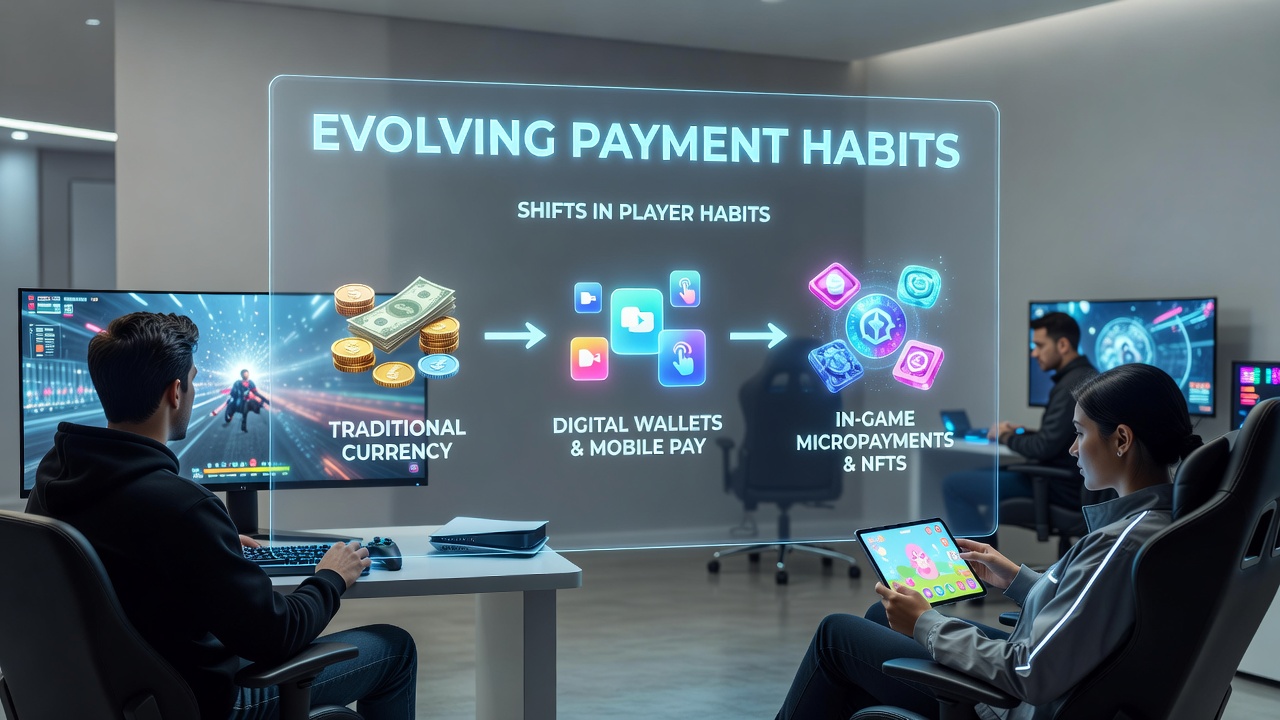
Shifts in Player Habits Triggered by Evolving Digital Payment Options in Interactive Gaming Spaces
Digital payment systems have reshaped how participants approach interactive gaming environments and researchers tracking these changes note measurable adjustments in engagement patterns across multiple platforms. Payment methods that once required several days for processing now complete transactions in seconds and this acceleration correlates with alterations in how often players log in and how long they remain active during each session. Data collected through industry monitoring services shows that regions adopting faster transfer technologies experience upticks in repeat logins particularly among users who previously limited activity due to banking delays.
Payment Technology Adoption Patterns
Operators introduced integrated wallet solutions and instant bank transfers throughout 2024 and 2025 and these tools gained traction at different rates depending on local infrastructure. In markets where mobile banking applications already dominate daily transactions players migrated toward gaming platforms that accepted the same credentials without additional verification steps. Observers at the Canadian Centre on Substance Use and Addiction documented rising participation in online environments among users who previously favored land-based venues and the shift aligned with broader availability of same-day withdrawal options.
June 2026 brought further refinements when several major platforms rolled out unified payment dashboards that combined deposits withdrawals and loyalty tracking into single interfaces. Those dashboards reduced the number of separate applications required and participants reported fewer interruptions between funding decisions and actual gameplay. Figures from regulatory filings in Ontario indicate that average transaction volumes per active account increased steadily during the first half of the year while session counts per week also climbed among established users.
Adjustments in Session Frequency and Duration
Shorter processing windows encouraged users to treat gaming as an activity that could fit into smaller time blocks rather than extended dedicated periods. Instead of waiting for weekend bank clearances players initiated shorter sessions during weekday evenings or lunch breaks and then resumed later once funds settled. Studies examining behavioral logs from European operators found that the proportion of sessions lasting under thirty minutes rose noticeably after instant payout features launched whereas longer marathon sessions declined in relative share.
Yet total time spent across all sessions often remained stable or grew because the friction of re-entering payment details decreased. Participants who previously abandoned platforms after one failed deposit attempt now completed multiple small transactions without leaving the application. This pattern appears in aggregated telemetry shared by platform analytics teams and it suggests that convenience tools altered entry and exit barriers more than they changed underlying interest levels.

Changes in Game Selection and Spending Behavior
Payment speed also influenced which titles players chose and how they allocated funds across different game types. Faster deposits allowed quicker experimentation with new releases while instant cashouts supported repeated small-stake play on high-volatility options. Reports compiled by the National Council on Problem Gambling in the United States highlight that users with access to real-time balance updates tended to distribute wagers across a wider variety of games rather than concentrating activity on a single favorite title.
Spending per session showed mixed movement depending on the payment method employed. Accounts linked to digital wallets recorded higher numbers of micro-transactions yet lower average amounts per transfer compared with traditional card methods. Analysts examining these trends note that the ability to top up balances without leaving the game screen reduced the psychological barrier associated with larger single deposits and this effect appeared consistently across age cohorts tracked in longitudinal surveys.
Regional Regulatory Influences
Different jurisdictions implemented rules governing payment speed and disclosure at varying paces and these differences produced distinct habit profiles. Markets with strict verification requirements retained longer average intervals between deposit and play while regions that streamlined know-your-customer processes saw quicker adoption of on-demand funding. A 2025 industry report prepared for the Asia Pacific Association of Gaming Regulators outlined how Singapore and Australia maintained comparatively cautious approval timelines for new wallet integrations and player migration rates there lagged behind those observed in parts of North America during the same period.
Cross-border comparisons further reveal that tax reporting features built into certain payment rails prompted users to maintain more detailed personal records of activity. This added layer of visibility coincided with modest reductions in unplanned spending spikes according to anonymized transaction datasets reviewed by academic researchers at the University of Nevada Reno.
Conclusion
Payment infrastructure continues to evolve and the resulting behavioral adjustments among interactive gaming participants reflect both technological capability and regulatory context. Transaction speed and interface integration have emerged as measurable factors in session timing game choice and fund allocation patterns across multiple jurisdictions. Continued monitoring through regulatory filings and academic studies will clarify whether these shifts stabilize or accelerate as additional payment innovations reach wider adoption in coming years.