Player Adaptations to Algorithmic Payout Cycles Across Portable Device Interfaces
Anna Otto · May 20, 2026
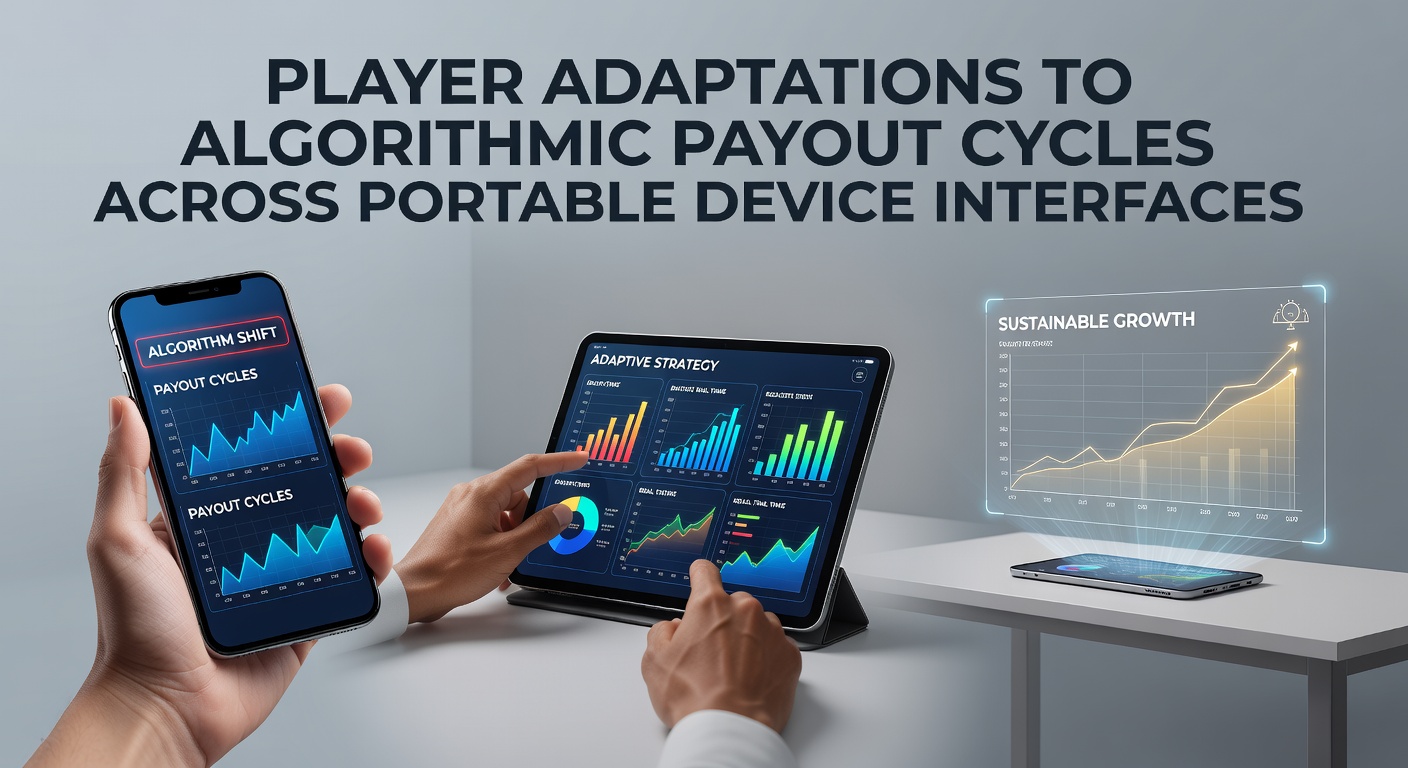
Player Adaptations to Algorithmic Payout Cycles Across Portable Device Interfaces
Players have adjusted their approaches to algorithmic payout cycles on portable devices through shifts in timing, bet sizing, and session management according to data collected across multiple gaming platforms in recent years, and these changes reflect responses to how mobile interfaces display real-time cycle information while algorithms determine return patterns.
Defining Algorithmic Payout Structures
Algorithmic payout cycles operate through randomized number generators that govern outcomes on digital gaming systems, and portable device interfaces present simplified visual cues such as progress bars or frequency indicators that help users interpret these underlying mechanisms without revealing proprietary code. Researchers discovered that players monitor these cues on smartphones and tablets to identify perceived hot or cold periods, yet the cycles remain statistically independent across spins or rounds.
Data Patterns in Mobile Environments
Studies from academic institutions show that portable interfaces compress complex payout data into glanceable formats, and this compression leads users to adapt by shortening play intervals during detected low-return phases while extending sessions when indicators suggest higher activity. Evidence from industry reports reveals that average session lengths on mobile devices fluctuate by up to twenty percent depending on how clearly the interface signals cycle progression, and players often switch between portrait and landscape modes to access additional statistical overlays.
Observed Behavioral Shifts
Those who engage regularly with mobile gaming applications alter their deposit schedules and stake levels in response to cycle visibility features, and one study revealed that users who track payout indicators tend to reduce bet sizes after consecutive low returns before gradually increasing them during apparent upswings. Observers note that such adaptations occur more frequently on devices with high-resolution touchscreens because finer control over interface elements allows quicker adjustments mid-session.
But here's the thing: portable device constraints like battery life and network latency also influence these changes, since players pause or resume play when connections drop during critical cycle points, and this behavior creates fragmented session data that algorithms themselves incorporate into future randomization sequences.
Interface Design Influences
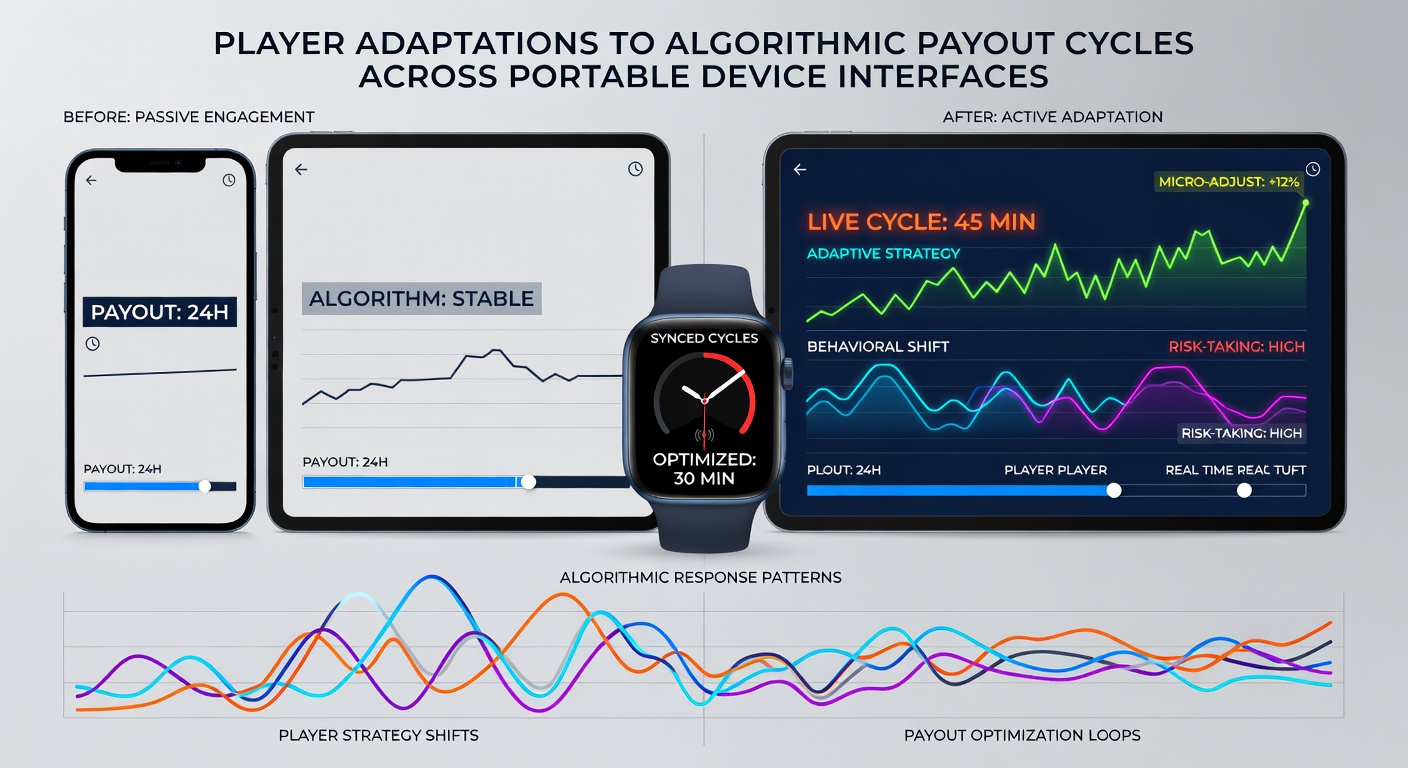
Design choices on portable platforms affect how players perceive and respond to payout cycles because touch-based navigation supports rapid toggling between game modes and historical data views, whereas smaller phone screens limit simultaneous display of multiple metrics. Figures from gaming associations indicate that apps providing customizable alert systems see higher rates of player-initiated pauses, and these pauses correlate with attempts to realign with favorable cycle segments.
Regional Variations in Adaptation
Analyses conducted by regulatory bodies in Australia and Canada demonstrate that players in those regions exhibit distinct patterns when accessing games through portable interfaces, and Australian users more commonly adjust session timing around peak network hours while Canadian participants focus on stake modulation across different device orientations. Such differences arise partly from varying data presentation standards that local guidelines impose on operators.
What's interesting is how cross-device synchronization plays a role, since many accounts link mobile and desktop versions of the same platform and players carry cycle observations from one interface to another, leading to consistent adaptation strategies even when switching hardware mid-cycle.
Case Examples from Recent Research
Take one research team that tracked mobile gaming logs over several months and found participants who received cycle-progress notifications adapted by redistributing playtime across multiple titles rather than persisting with a single game during unfavorable phases. Another investigation highlighted users who employed external timing applications alongside built-in interfaces to predict cycle resets, although such external tools rely on publicly available probability models rather than insider information.
Evidence suggests these adaptations remain within permitted boundaries because operators design interfaces to comply with transparency rules established by oversight agencies, and data from May 2026 updates to certain platform analytics showed increased use of in-app coaching modules that guide players through cycle awareness without promising outcomes.
Technical Factors Driving Change
Portable device processors now handle real-time probability calculations that were once limited to larger systems, and this capability lets interfaces render dynamic graphs showing recent payout trends that users reference when deciding whether to continue or exit. Network improvements further support seamless updates to cycle data during active play, reducing the lag that previously discouraged mid-session adjustments.
Turns out the integration of haptic feedback in modern tablets and phones adds another layer, since subtle vibrations can signal payout events and prompt immediate behavioral responses like stake changes or brief breaks, and industry reports confirm higher engagement with these features among frequent mobile players.
Future Interface Developments
Developers continue refining portable interfaces to include more granular cycle visualizations while maintaining regulatory compliance, and planned enhancements expected after May 2026 aim to standardize alert systems across regions so that players encounter consistent information regardless of device or location. Academic sources emphasize that ongoing studies will monitor whether these refinements produce measurable shifts in adaptation frequency or intensity.
Conclusion
Player adaptations to algorithmic payout cycles on portable device interfaces continue to evolve alongside advances in display technology and data presentation methods, and documented patterns from regulatory and academic sources illustrate how timing adjustments, stake variations, and session fragmentation represent common responses. These behaviors reflect interactions between algorithmic structures and the practical constraints of mobile environments rather than any alteration of underlying game mathematics, and continued observation will clarify how new interface features shape future player strategies across different geographic markets.