Payment Route Patterns Steering Reward Tier Climbs in Handheld Reel and Table Setups
Theo Günther · Jul 27, 2026

Payment Route Patterns Steering Reward Tier Climbs in Handheld Reel and Table Setups
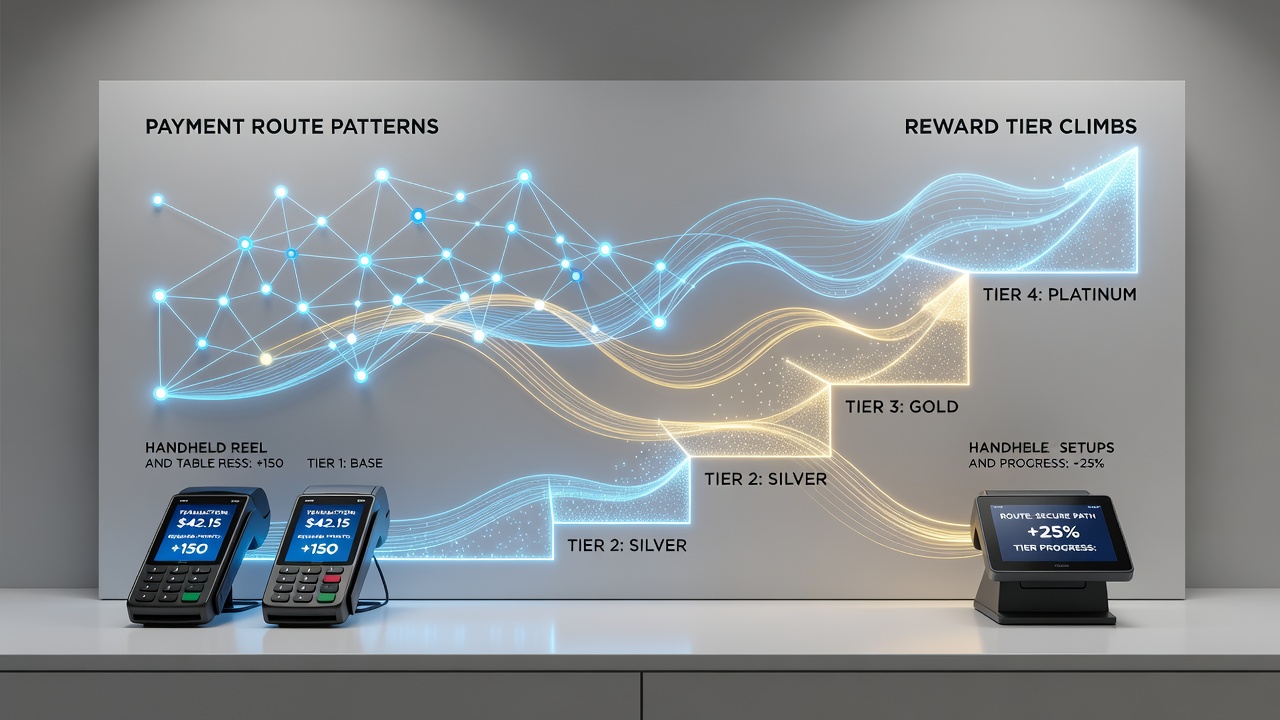
Payment route patterns have emerged as a key factor in how players advance through reward tiers while using handheld devices for reel spins and table game sessions, according to industry tracking data from multiple regions. Observers note that different funding pathways, such as direct bank transfers versus digital wallet routes, create measurable differences in point accumulation rates and tier qualification timelines across mobile platforms.
Studies from gaming research centers indicate that players who route transactions through instant e-wallet services often record faster tier progression in mobile reel environments compared to those relying on traditional card processing. This pattern holds because certain payment corridors trigger bonus multipliers or accelerated point awards that operators apply automatically to loyalty accounts during handheld sessions.
Distinct Patterns Across Reel and Table Interfaces
Handheld reel setups show consistent correlations between payment speed and tier climbs, whereas table game configurations introduce additional variables tied to session duration and stake levels. Data collected through operator platforms reveals that crypto-based routes frequently align with quicker ascents in reward programs when used on portable reel titles, while bank-linked methods produce steadier but slower gains in live dealer table environments accessed via mobile browsers or apps.
Researchers at academic institutions tracking digital gaming habits have documented cases where players switching between payment routes mid-session experienced shifts in point accrual velocity. One analysis of mobile user logs from 2025 highlighted how e-wallet transactions completed in under 30 seconds correlated with higher daily tier advancement metrics in reel-based games, a trend that carried into table setups when the same accounts maintained consistent routing choices.
Regional Data and Processing Influences
Figures released in July 2026 by the Nevada Gaming Control Board demonstrated that mobile payment route selections influenced loyalty program metrics across participating properties, with handheld reel players favoring certain instant transfer options showing elevated tier retention rates. Similar patterns appeared in Australian market reports, where regulatory filings noted variations in reward tier movement tied to the processing pathways selected for table game wagers on portable devices.
Industry associations have compiled comparative datasets showing that players employing multiple route combinations within a single day often achieve composite point totals that exceed single-route baselines. These combinations include pairing a primary digital wallet with secondary bank verification steps, which some systems reward with layered bonuses that directly feed into tier calculations for both reel and table mobile play.
Tracking Mechanisms and Tier Qualification
Operators deploy backend systems that log payment route metadata alongside gameplay data, allowing automated adjustments to reward tier eligibility based on transaction characteristics. Those who have examined these systems report that route stability, defined as repeated use of the same corridor over consecutive sessions, tends to unlock incremental multipliers in handheld reel scenarios, while table setups reward route diversity when stakes exceed certain thresholds.
Evidence from operator case studies points to July 2026 updates in mobile platform algorithms that refined how payment route history factors into tier progression formulas. Players maintaining steady patterns through approved e-wallet networks recorded more predictable qualification timelines for higher reward brackets in both reel and live table mobile formats.
Comparative Route Performance
Performance metrics compiled by research institutions differentiate route categories by their impact on tier velocity. Instant processing routes generally support rapid point stacking during extended handheld reel sessions, whereas delayed settlement routes align better with table game participants who prioritize session security over speed. Observers note that hybrid approaches, alternating between two approved routes, appear in user data from multiple jurisdictions and correlate with balanced advancement across game types.
Canadian provincial gaming reports have tracked similar dynamics, revealing that payment route consistency influences the frequency of tier review periods for mobile users engaged in mixed reel and table activity. These findings align with patterns identified in other regulated markets where transaction metadata feeds directly into loyalty scoring engines.
Conclusion
Payment route patterns continue to shape reward tier progression in handheld reel and table setups through documented correlations between transaction characteristics and point accumulation. Data from regulatory bodies and research organizations across regions, including updates issued in July 2026, confirm that route selection and consistency remain measurable variables in mobile loyalty program dynamics. Further examination of operator logs and regional filings provides ongoing insight into these interactions without reliance on subjective interpretation.