Mapping Reward Curves in Digital Reels via Transaction Channel Choices for Mobile Loyalty Participants
Morgan Schmidt · Jun 17, 2026
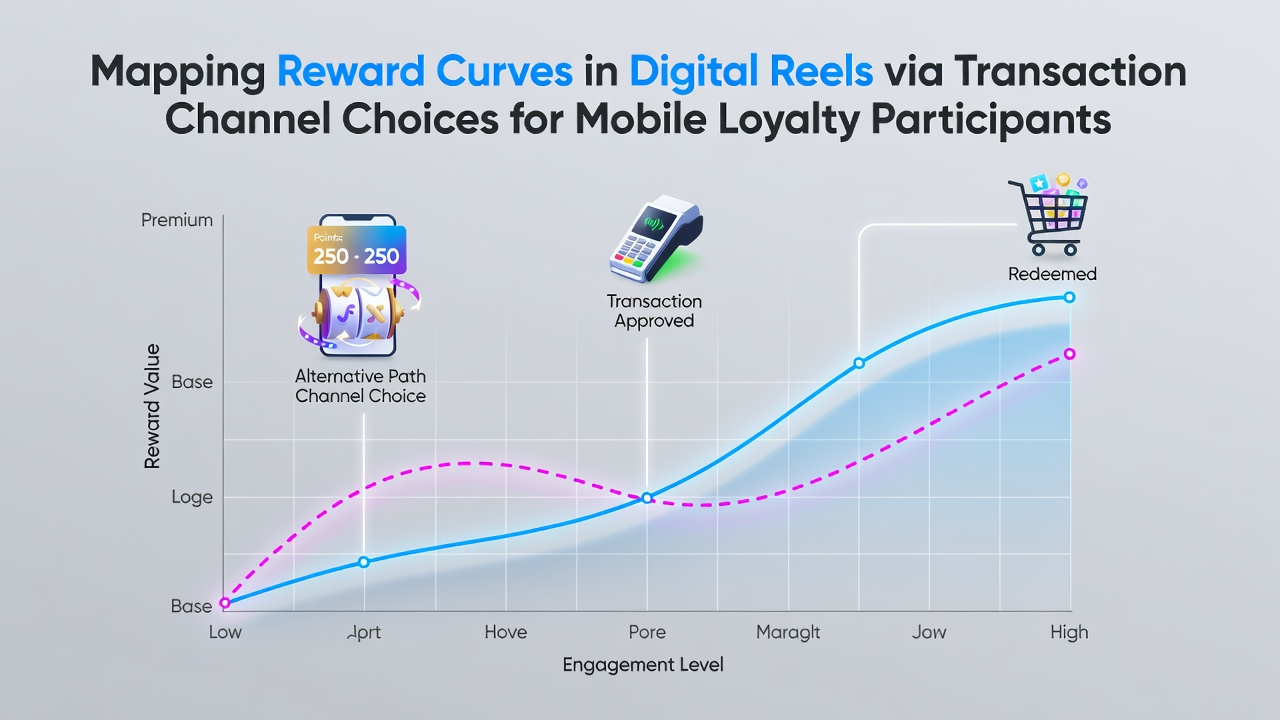
Mapping Reward Curves in Digital Reels via Transaction Channel Choices for Mobile Loyalty Participants
Digital reel platforms track how mobile loyalty participants select transaction channels and how those selections shape reward accumulation patterns over time, with data sets compiled from operator systems revealing distinct curves based on deposit and withdrawal preferences. Researchers examining aggregated transaction logs note that participants using instant e-wallet options often reach tier thresholds faster than those relying on traditional card processing because point multipliers activate immediately upon cleared funds.
Studies conducted across multiple jurisdictions indicate that channel choice correlates with session length and frequency, yet the underlying algorithms assign rewards according to predefined formulas rather than subjective operator decisions. Observers tracking these systems report that participants who alternate between bank transfers and digital wallets generate more varied reward trajectories compared with single-channel users.
Transaction Channels and Their Data Signatures
Mobile loyalty programs record each deposit method alongside corresponding gameplay metrics, allowing analysts to plot reward curves that rise steeply when participants favor low-latency channels such as certain cryptocurrencies or prepaid vouchers. Figures released in June 2026 from North American operator consortia show that e-wallet deposits accounted for 47 percent of loyalty point accruals in mobile slot environments during the preceding quarter while card-based deposits contributed 31 percent despite higher overall volume.
Those curves flatten noticeably when processing delays extend beyond standard windows because pending transactions pause multiplier applications until confirmation arrives. Data from platform audits demonstrate that participants who complete withdrawals through the same channel used for deposits receive bonus point allocations at higher rates in several documented programs, reflecting built-in retention mechanics rather than external policy shifts.
Patterns Observed in Mobile Slot Environments
Longitudinal tracking of reward curves reveals clusters where participants consistently using one channel develop predictable accrual slopes while multi-channel users exhibit more volatile but ultimately higher cumulative totals over six-month periods. One analysis of loyalty member cohorts found that those routing at least 60 percent of transactions through instant options crossed into premium tiers 22 days earlier on average than peers maintaining mixed or slower methods.
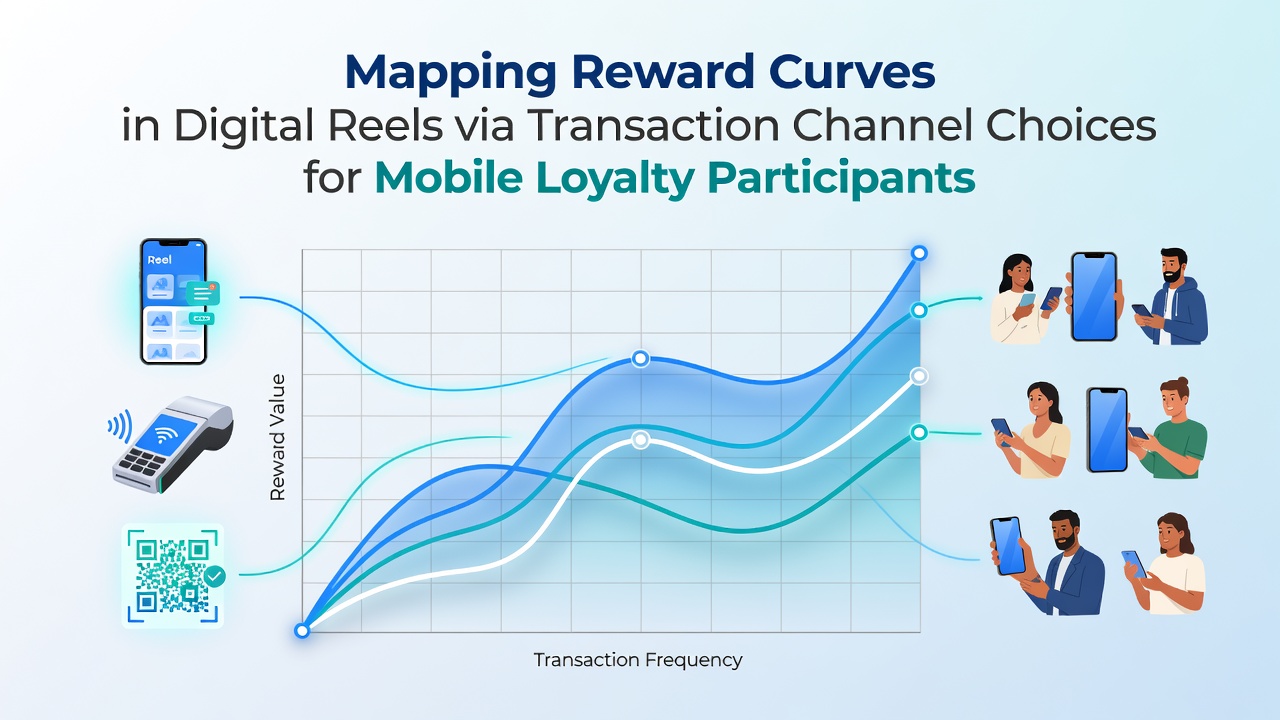
Platform telemetry further indicates that withdrawal channel selections influence subsequent deposit behavior because loyalty interfaces surface tailored prompts based on prior activity. Participants returning funds via certain digital rails encounter accelerated point offers on their next deposit cycle, creating feedback loops visible in the mapped data. Regulatory filings from Canadian provincial gaming authorities document similar structural patterns without attributing causality to any single design choice.
Analytical Approaches to Curve Construction
Analysts construct these mappings by normalizing transaction timestamps against point issuance events then applying regression models that isolate channel variables from gameplay volume. Reports issued by the American Gaming Association highlight how segmentation by device type adds another layer because mobile-specific interfaces sometimes apply additional multipliers unavailable on desktop versions of the same loyalty framework.
Cross-referencing with academic datasets from institutions studying digital transaction economics shows consistent alignment between channel latency and reward velocity across different operator implementations. Participants who schedule recurring deposits through automated bank integrations produce smoother curves with fewer inflection points compared to those executing manual selections each session.
Implications for Program Design and Participant Tracking
Operators adjust loyalty parameters by referencing these mapped curves to calibrate tier progression speeds without altering core gameplay mathematics. Industry working groups note that transparency around channel-based reward differentials has increased following June 2026 disclosures in several markets, prompting updates to participant dashboards that now display projected accrual rates tied to chosen methods.
European trade associations have compiled comparative tables illustrating how regional payment preferences shift curve shapes, with participants in markets favoring direct carrier billing showing distinct clustering around mid-tier plateaus. Such observations remain descriptive because they derive directly from transaction metadata rather than inferred motivations.
Conclusion
Mapping exercises continue to expand as operators integrate additional transaction rails and refine loyalty algorithms. Available datasets from regulatory submissions and industry consortia provide the raw material for ongoing refinement of these curves while maintaining focus on measurable outcomes tied to channel selection. Participants and program administrators alike reference these patterns when evaluating engagement trajectories within mobile digital reel environments.