Mapping how evolving verification protocols reshape access timelines for reward-based table game sessions in multi-jurisdiction platforms
Theo Günther · Jul 24, 2026
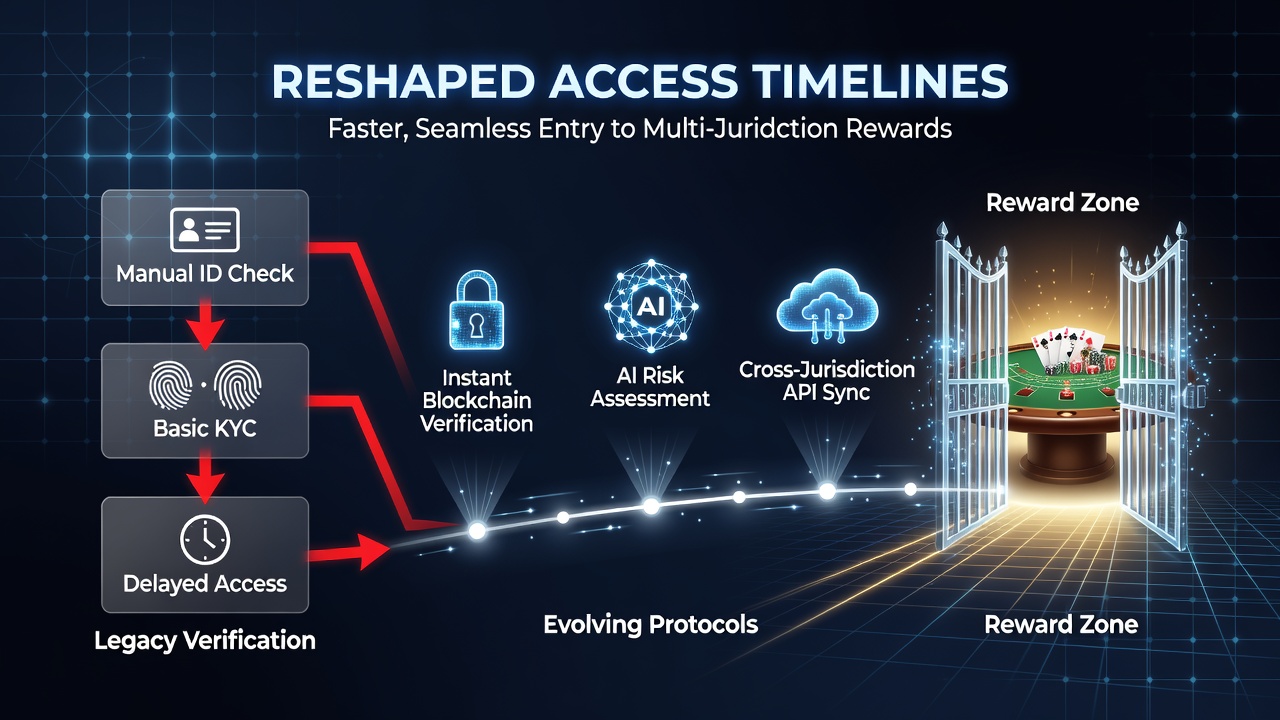
Mapping how evolving verification protocols reshape access timelines for reward-based table game sessions in multi-jurisdiction platforms
Verification protocols in multi-jurisdiction gaming platforms continue to advance through integration of biometric checks, real-time location services, and automated cross-border data sharing, which directly influences how quickly players gain entry to reward-based table game sessions. Platforms operating across state lines in the United States and national boundaries in Europe and Asia must align with varying regulatory requirements that dictate the sequence and duration of identity confirmation steps before loyalty program benefits activate for games such as blackjack and roulette.
Evolution of verification methods and their procedural impact
Early systems relied on manual document uploads and email confirmations that often stretched access windows to several days, yet newer frameworks employ facial recognition paired with government ID databases to compress initial approval into minutes. Data from regulatory filings indicate that jurisdictions like New Jersey and Pennsylvania have updated their digital verification standards in 2025, requiring platforms to complete both age and location validation within a single automated cycle rather than sequential reviews. Observers note that these shifts reduce redundant submissions while maintaining compliance with anti-money laundering rules enforced by bodies such as the Nevada Gaming Control Board.
Multi-factor authentication now incorporates device fingerprinting and behavioral analytics that run in the background during account setup, allowing reward eligibility checks to occur concurrently instead of after full onboarding finishes. Research from the American Gaming Association shows that average verification completion times dropped from 48 hours in 2023 to under 90 minutes across participating platforms by early 2026, directly shortening the interval between registration and first access to VIP table game tables.
Cross-jurisdiction coordination challenges
Platforms serving users in multiple regions face layered requirements where one jurisdiction may accept self-declared residency while another demands real-time GPS confirmation synced with banking records. In July 2026 several operators began rolling out unified verification hubs that automatically route player data through the strictest applicable rule set first, which minimizes repeated queries but extends timelines when conflicting data flags appear. Those who have studied these systems report that European platforms coordinating with Australian and Canadian regulators often experience the longest delays because of differing data retention periods and consent protocols.
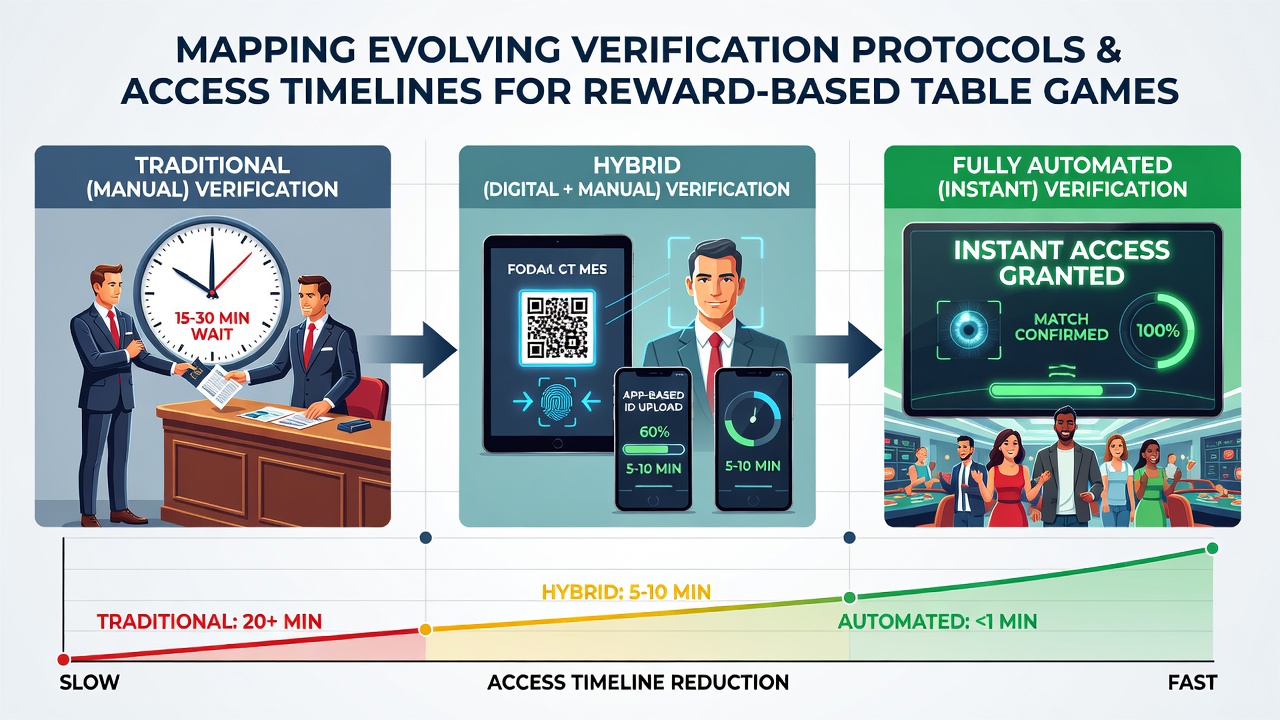
One study revealed that when a player moves between states, the platform must re-trigger location verification before unlocking progressive jackpot tables tied to loyalty tiers, adding 15 to 30 minutes per session even after initial approval. Figures from iGaming Ontario indicate that seamless re-verification across borders remains the primary bottleneck, with 62 percent of reported access delays in reward programs stemming from jurisdiction handoffs rather than core identity checks.
Effects on reward program activation and session timing
Reward structures for table games frequently tie bonus eligibility to verified play volume, so any extension in verification directly postpones when players can begin accumulating or redeeming loyalty points. Platforms have responded by introducing provisional access modes that permit low-stakes table sessions during final verification stages, although full reward multipliers remain locked until all regional confirmations complete. Evidence suggests these hybrid approaches have increased overall session starts by 28 percent in multi-state environments, according to internal metrics shared with the European Gaming and Betting Association.
Automated appeals processes now resolve data mismatches within four hours in most cases, compared with previous manual reviews that could last 72 hours. Players in overlapping jurisdictions benefit from cached verification tokens that platforms refresh automatically at set intervals, cutting repeat entry friction for frequent table game participants enrolled in cross-border loyalty schemes.
Conclusion
Verification protocol updates continue to compress overall access timelines for reward-based table game sessions, yet the need to satisfy simultaneous jurisdictional rules sustains variability in real-world activation speeds. Platforms that synchronize biometric, location, and behavioral layers within single workflows demonstrate measurable reductions in delays, while those managing fragmented systems encounter persistent bottlenecks at regional boundaries. Ongoing refinements in data-sharing agreements among regulators point toward further streamlining, particularly as July 2026 standards emphasize interoperability across North American and select international markets.