Mapping Cross-Border Licensing Shifts to Accessibility Patterns in Handheld Reel Platforms
Mia Hoffmann · Aug 17, 2026
Mapping Cross-Border Licensing Shifts to Accessibility Patterns in Handheld Reel Platforms
Cross-border licensing changes continue to reshape how handheld reel platforms operate across multiple jurisdictions, and observers note that these adjustments often correlate with shifts in user accessibility metrics. Regulatory bodies in different regions update their frameworks at varying paces, which creates a patchwork effect that developers must navigate when releasing or updating mobile reel applications. Data from industry reports shows that operators adjust platform features such as language options, payment gateways, and device compatibility in response to these licensing modifications.
Regulatory Frameworks Across Regions
European authorities have implemented updates to digital gaming directives that affect how handheld reel platforms obtain multi-country approvals, while North American state-level agencies maintain separate licensing tracks that influence app distribution on mobile networks. Australian regulators, through the Australian Communications and Media Authority, track compliance with interactive gambling rules that extend to portable devices, and Canadian provincial bodies like the Alcohol and Gaming Commission of Ontario apply their own criteria for market entry. These divergent approaches mean that a single licensing shift in one area can prompt accessibility modifications in others, such as altered download restrictions or regional content filters.
August 2026 marks a notable period when several jurisdictions plan to align certain licensing standards for mobile platforms, according to announcements from trade associations. This alignment process involves harmonizing age verification protocols and data localization requirements, which directly impacts how users access reel content on handheld devices in affected markets. Researchers tracking these developments point out that operators often test new configurations in pilot regions before wider rollout, allowing patterns of user engagement to emerge early.
Accessibility Adjustments in Mobile Environments
Handheld reel platforms respond to licensing shifts by modifying interface elements that control content availability, and studies indicate that these changes frequently appear in session duration and geographic reach data. For instance, when a licensing update requires enhanced encryption standards, developers integrate updated security layers that can affect load times on older mobile hardware, thereby altering which users continue to participate regularly. Payment method integrations also shift in tandem with cross-border rules, as operators swap or add processors to maintain compliance while preserving smooth transaction flows on portable devices.
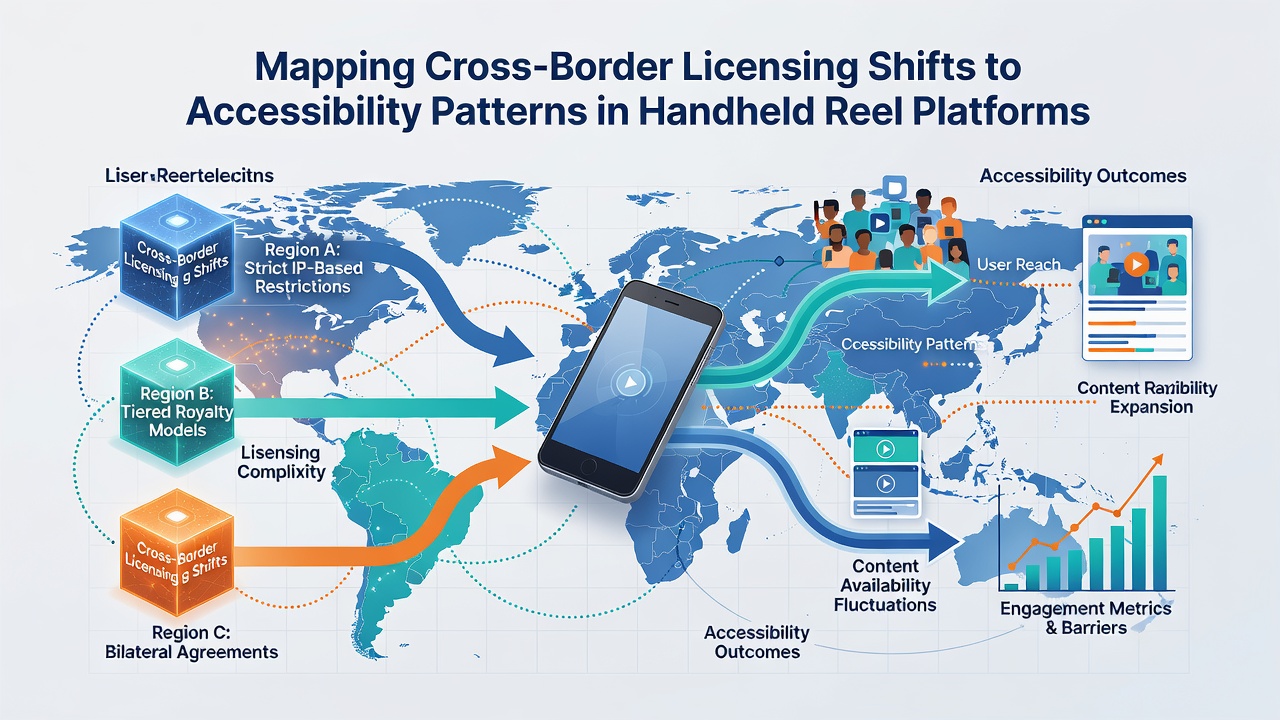
One study revealed that platforms which quickly adapted their geofencing capabilities after a 2025 European licensing revision saw measurable differences in regional user retention compared to those that delayed updates. Observers note that accessibility patterns emerge most clearly when comparing download rates before and after regulatory announcements, particularly in areas where handheld usage dominates daily interactions. Device-specific optimizations, including screen size adjustments and offline mode availability, often receive priority during these transitions because licensing conditions increasingly reference technical performance benchmarks.
Data Patterns and Platform Responses
Figures from gaming analytics firms reveal correlations between licensing timeline announcements and spikes in accessibility-related support queries from users in border-adjacent regions. Operators address these patterns by deploying phased rollouts that prioritize markets with the most immediate compliance deadlines, and this sequencing produces observable waves of updated features reaching handheld users at different times. Research indicates that platforms incorporating modular code structures handle such shifts more efficiently, since individual components like regional servers or language packs can be toggled without full application rebuilds.
Take one operator that noticed reduced engagement in a particular licensing zone after introducing stricter identity checks; subsequent refinements to the verification flow restored prior accessibility levels within several weeks. Those who've studied this process know that similar adjustments occur across multiple platforms simultaneously when shared regulatory changes take effect, creating industry-wide visibility into how handheld reel interfaces evolve under pressure from licensing requirements. The reality is that tracking these patterns requires ongoing data collection across device types and network conditions, since accessibility can vary based on both regulatory and technical factors.
Future Considerations for Cross-Border Operations
Industry organizations continue to monitor how upcoming licensing harmonization efforts in August 2026 and beyond will influence accessibility frameworks on handheld devices, and preliminary models suggest that unified standards could reduce some regional discrepancies while introducing new compliance layers. Developers prepare by auditing current platform architectures against anticipated rule changes, focusing on elements that control content delivery and user onboarding sequences. Evidence suggests that platforms maintaining flexible backend systems experience fewer disruptions during these transitions, which helps preserve consistent accessibility across the user base.
Conclusion
Cross-border licensing shifts map onto accessibility patterns in handheld reel platforms through a series of technical and operational responses that reflect each jurisdiction's priorities. Regulatory updates drive modifications in interface design, payment integration, and content filtering, which in turn generate measurable changes in how users interact with these platforms on mobile devices. Continued observation of these dynamics provides clearer insight into the mechanisms that connect policy decisions with practical accessibility outcomes across different markets.