How Funding Methods Shape Player Approaches in Mobile Casino Environments
Anna Otto · Jul 29, 2026
How Funding Methods Shape Player Approaches in Mobile Casino Environments
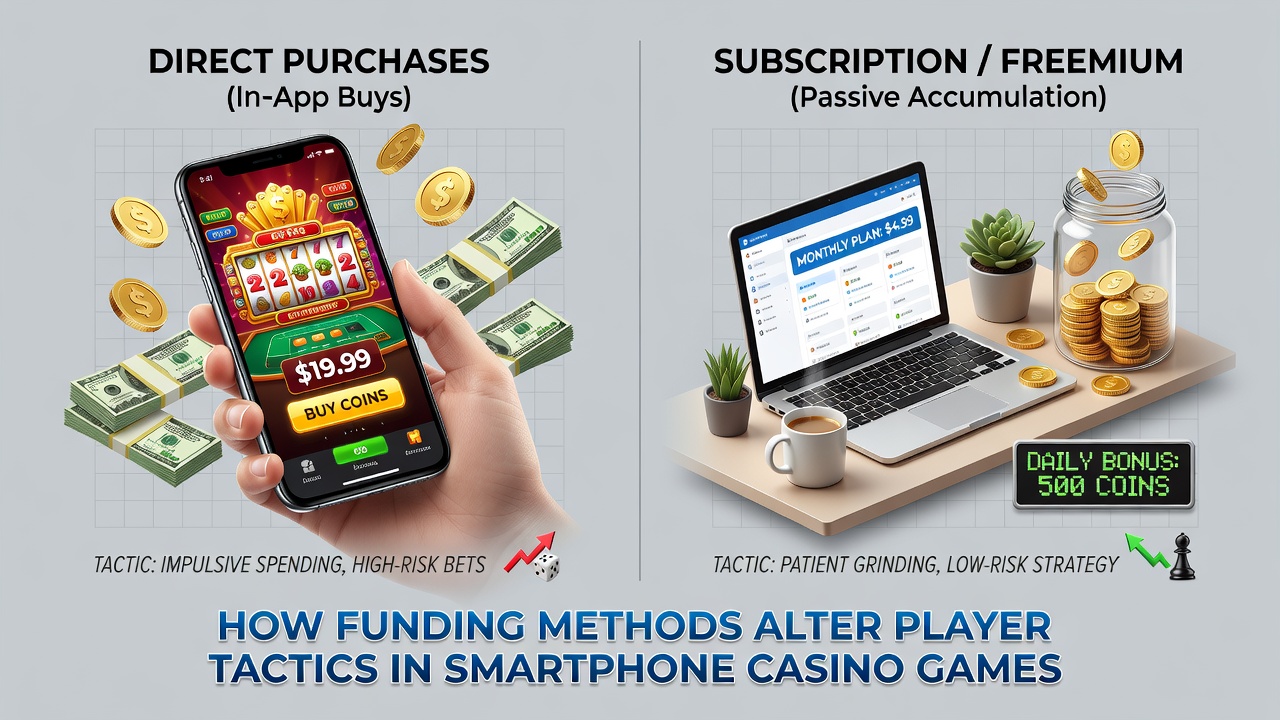
Smartphone casino platforms rely on multiple funding channels that integrate directly with mobile operating systems, and these options create measurable differences in how participants structure their gameplay decisions. Instant deposit systems allow immediate access to games while slower methods introduce pauses that prompt reevaluation of session plans. Data from industry tracking services shows that players using embedded wallet features often maintain steadier bet patterns across extended periods compared to those relying on traditional card entries that require additional verification steps.
Mobile Wallet Integration and Session Planning
Applications connected to digital wallets enable one-tap transfers that reduce friction between decisions to continue or adjust stakes, and observers note that this seamlessness correlates with higher frequencies of small incremental bets rather than large initial commitments. Research conducted across multiple app stores indicates that users who fund through these integrated tools tend to select games with medium volatility levels because the quick reload option supports sustained participation without abrupt halts. In contrast, bank-linked transfers that process over several minutes encourage pre-session budgeting where players allocate fixed amounts before entering any game lobby.
Instant Funding Versus Processing Delays
Payment methods that clear in seconds versus those requiring thirty minutes or more produce distinct tactical shifts, particularly when combined with live dealer interfaces that run on continuous rounds. Participants using rapid options frequently switch between table minimums and higher limits within the same hour because replenishment happens without leaving the screen, whereas delayed methods lead to more conservative selections of single game types for the duration of the wait. Figures compiled by regional gaming associations reveal that July 2026 updates to certain mobile payment gateways in North American markets shortened average processing times by twenty percent, resulting in documented increases in multi-game rotations among frequent users.
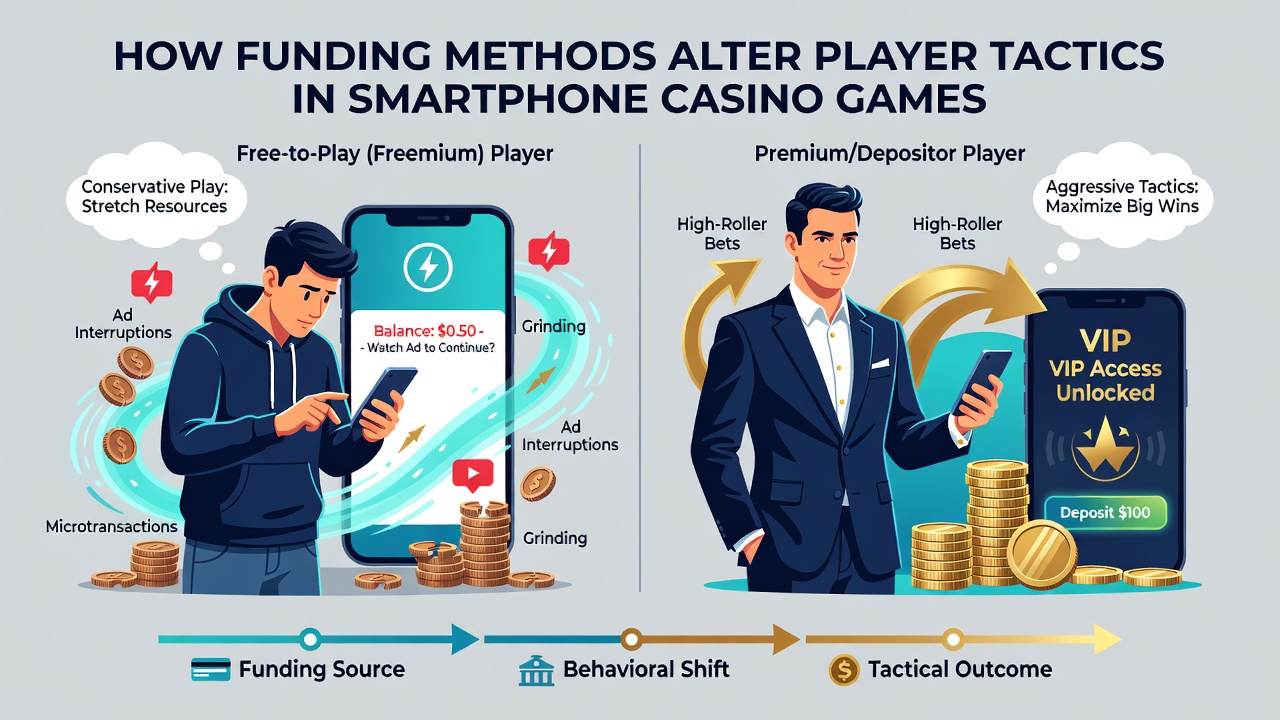
Those who study transaction logs observe that delayed funding creates natural breakpoints where players review win-loss ratios before committing further resources, and this pattern appears consistently across both slot and table game categories. The ball remains in the hands of payment providers to determine how much these intervals influence overall engagement length.
Cryptocurrency Options and Risk Calibration
Digital currency deposits introduce an additional layer of volatility tracking because exchange rate fluctuations occur alongside in-game outcomes, and analysts from academic institutions in Australia have documented that users often reduce average wager sizes when funding through these channels to account for external price swings. The reality is that anonymity features associated with certain cryptocurrencies allow repeated small deposits without repeated identity checks, which supports tactics centered on incremental testing of new game variants rather than committing to established favorites. Studies from the American Gaming Association highlight that such methods appear more frequently among participants who rotate through multiple titles within single sessions.
Credit Arrangements and Limit Setting Behaviors
Direct credit linkages through mobile billing systems sometimes bypass traditional spending caps embedded in casino apps, and this setup leads players to establish manual stop-loss points at higher thresholds than those who preload fixed amounts from debit sources. Evidence from Canadian regulatory reports shows that credit-based funding correlates with longer average session times yet also with more frequent use of in-game pause functions for balance checks. What's interesting is that these patterns hold across different device models and operating system versions, suggesting the funding channel itself drives the adjustment rather than hardware variables.
Regional Regulatory Influences on Funding Choices
Government policies in various jurisdictions continue to shape which payment rails remain available within smartphone apps, and the resulting availability affects which tactics become practical for local users. For instance, restrictions on certain e-wallet operators in parts of Europe have prompted shifts toward direct bank integrations that impose additional confirmation layers, thereby lengthening intervals between deposits and encouraging more deliberate game selections. Data released by the Australian Institute of Criminology indicates similar adaptations where players move toward prepaid voucher systems that cap total daily inflows and consequently favor shorter, more focused play periods.
Conclusion
Funding mechanisms embedded in smartphone casino environments directly influence how participants time their entries, calibrate bet amounts, and transition between games. Observers tracking these interactions across multiple markets continue to record consistent differences tied to processing speed, verification requirements, and external factors such as currency volatility. As mobile payment infrastructure evolves through 2026 and beyond, these tactical variations are expected to remain a central element in understanding engagement patterns within the sector.