Exploring Cross-Platform Reward Synchronization in Regulated Digital Gaming Networks
Morgan Schmidt · Aug 26, 2026
Exploring Cross-Platform Reward Synchronization in Regulated Digital Gaming Networks
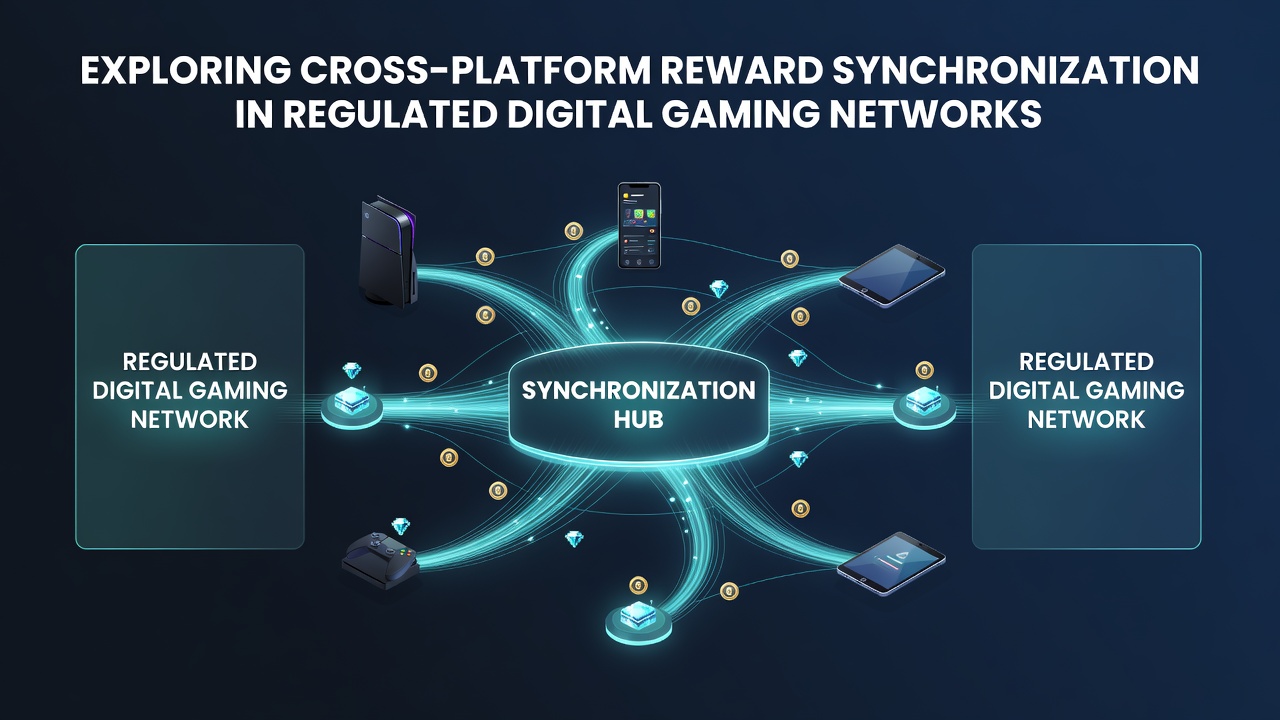
Cross-platform reward synchronization allows player accounts to maintain consistent credit balances, bonus eligibility, and progress metrics when users switch between desktop applications, mobile apps, and browser-based interfaces within regulated digital gaming networks, and this process relies on centralized databases that update in real time while adhering to jurisdiction-specific compliance rules. Operators must integrate application programming interfaces that communicate with regulatory servers to log every transaction and verify that reward redemptions occur only after identity checks and spending limits have been confirmed across all connected devices.
Technical Architecture Behind Synchronization Protocols
Regulated networks employ distributed ledger elements alongside traditional relational databases so that reward data remains immutable once recorded, while still permitting rapid queries from multiple endpoints, and developers often use containerized microservices that scale during peak hours without interrupting ongoing sessions. Encryption standards such as AES-256 protect data in transit between platforms, and token-based authentication ensures that a player who logs in from a tablet receives the same accumulated rewards previously earned on a personal computer. Testing protocols require operators to simulate simultaneous logins from several devices to confirm that no duplicate credits are issued and that time-stamped records match exactly.
Regulatory Frameworks Across Jurisdictions
Different licensing authorities impose distinct requirements for how rewards must be tracked and reported, and in August 2026 several North American and European regulators updated their technical specifications to mandate additional audit trails for cross-device transfers. The New Jersey Division of Gaming Enforcement requires daily reconciliation files that detail every reward adjustment, while iGaming Ontario focuses on player protection measures that prevent rewards from being transferred across accounts without explicit consent. These rules create operational overhead for multi-jurisdictional operators who must maintain separate compliance modules yet still deliver a unified experience to users who travel between regions.
One study from a Canadian research consortium examined synchronization latency across five licensed platforms and found that average delay times remained under 800 milliseconds when networks utilized edge computing nodes positioned near major population centers. Data from that analysis also showed that reward discrepancies occurred most frequently during scheduled maintenance windows, prompting operators to implement failover clusters that preserve session states until primary systems return online.
Security Measures and Data Integrity Controls
Security teams deploy anomaly detection algorithms that flag unusual patterns such as rapid device switching followed by large reward redemptions, and these systems cross-reference geolocation data with known device fingerprints to reduce fraud risk. Regulated networks also require periodic penetration testing that targets the synchronization layer specifically, because vulnerabilities in that segment could allow manipulation of reward ledgers across an entire player base. Observers note that successful attacks have decreased since the introduction of multi-signature approval workflows for high-value reward movements.

Player Experience and Operational Impacts
Players benefit when rewards earned during a desktop session appear instantly on their mobile device without manual intervention, yet this convenience depends on continuous connectivity and accurate timestamp synchronization across global server clusters. Operators report that support tickets related to missing rewards drop significantly after synchronization systems receive regular calibration against authoritative time sources. Training programs for customer service staff now emphasize verification steps that involve checking multiple platform logs before issuing manual adjustments.
Academic papers published through European gaming research centers have documented how synchronization failures affect player retention metrics, with one analysis indicating that unresolved discrepancies lasting longer than four hours correlate with measurable decreases in subsequent login frequency. Network architects therefore prioritize redundant pathways that reroute traffic automatically when primary synchronization channels experience congestion.
Future Developments in Cross-Platform Integration
Emerging standards from industry associations emphasize open APIs that allow third-party developers to build compliant reward extensions while still passing through centralized regulatory checkpoints, and several pilot programs launched in 2026 test these interfaces in controlled environments. Integration with emerging technologies such as secure enclaves on consumer devices adds another layer of verification that prevents reward data from being altered locally before it reaches the central ledger. These advancements require ongoing collaboration between regulators, operators, and technology vendors to maintain both security and usability standards.
Conclusion
Cross-platform reward synchronization in regulated digital gaming networks continues to evolve through coordinated technical upgrades and regulatory refinements that prioritize data consistency and player protection, and ongoing monitoring by licensing bodies ensures that systems remain aligned with jurisdictional requirements even as device ecosystems expand. Operators who invest in robust architectures and regular compliance audits position themselves to deliver uninterrupted reward access across all supported platforms while meeting the reporting obligations that define modern regulated environments.