Cross-Platform Incentive Layering via Settlement Velocity Adjustments in Compact Reel Ecosystems
Anna Otto · Jun 29, 2026
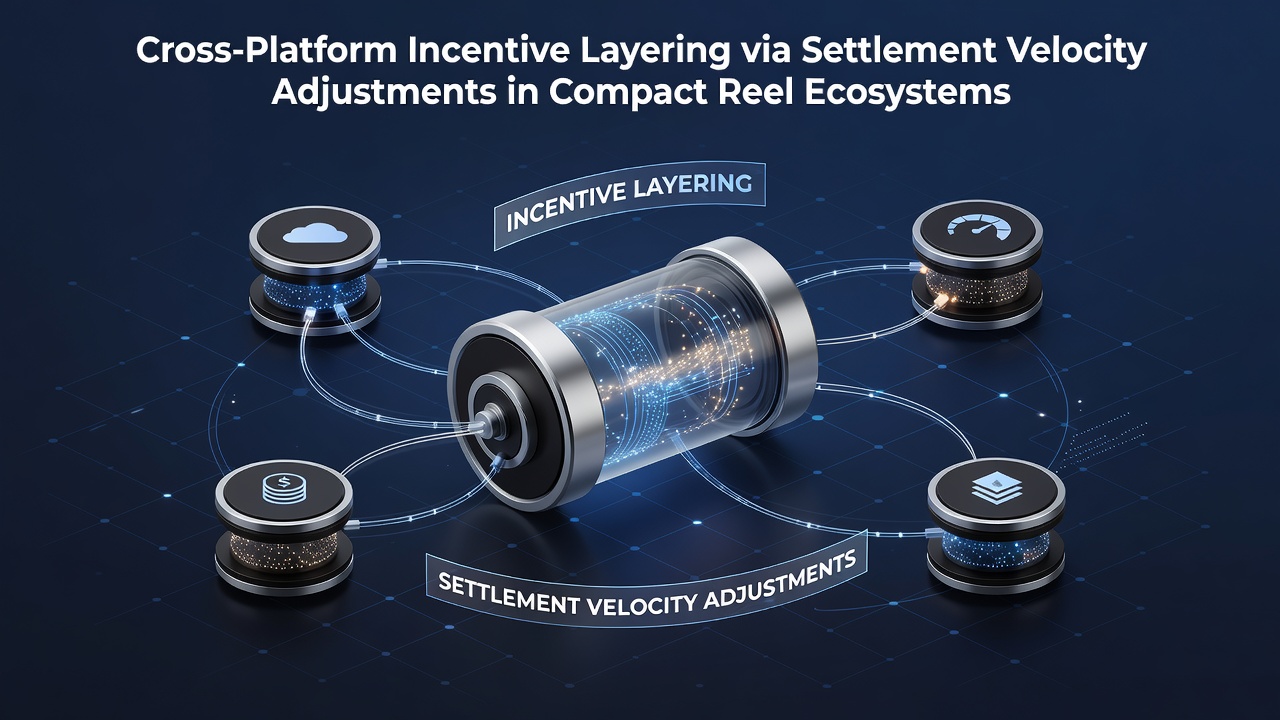
Cross-Platform Incentive Layering via Settlement Velocity Adjustments in Compact Reel Ecosystems
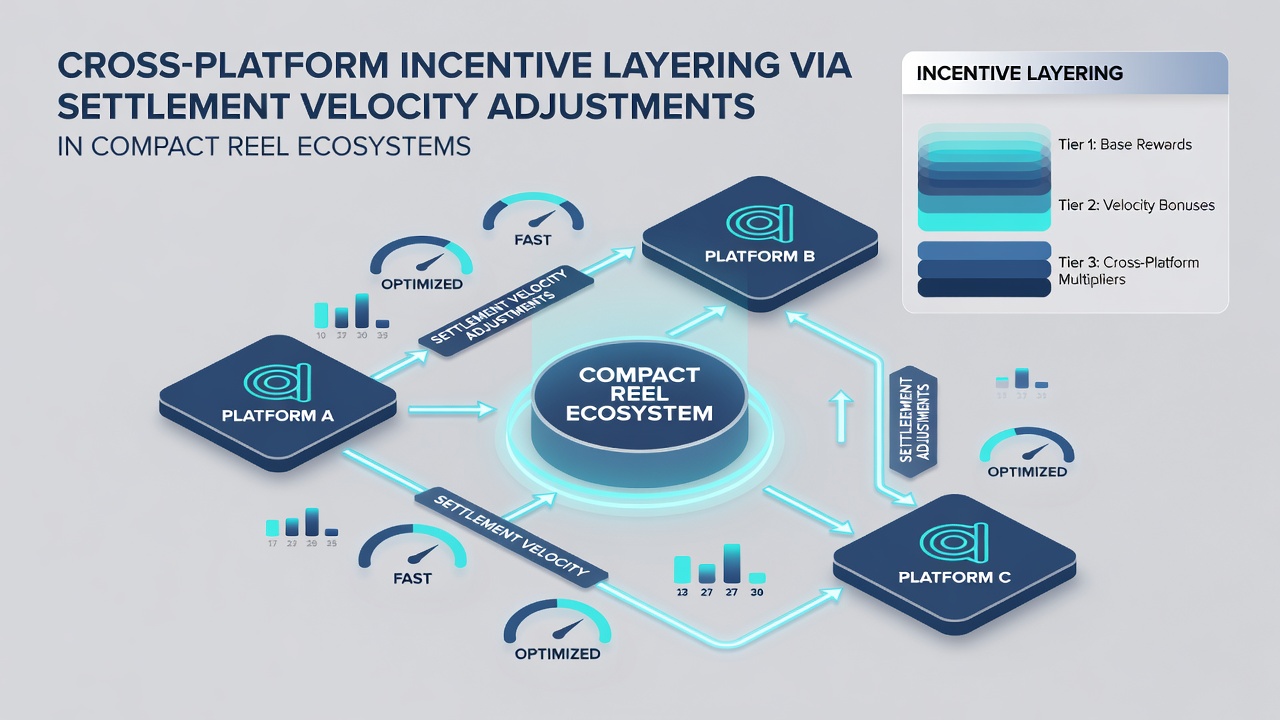
Compact reel ecosystems operate through tightly integrated slot architectures where game mechanics respond directly to transaction processing speeds, and cross-platform incentive layering builds reward structures that adjust in real time based on those speeds. Settlement velocity refers to the elapsed time between wager placement and fund confirmation across devices, while incentive layering stacks multiple reward tiers that activate only when velocity thresholds align between mobile, desktop, and kiosk terminals.
Mechanics of Settlement Velocity in Reel Systems
Operators configure compact reel platforms so that faster settlements unlock secondary incentive layers such as accelerated loyalty point accrual or temporary multiplier boosts, whereas slower confirmations restrict access to base-level rewards only. Data from transaction logs indicate that systems measure velocity in milliseconds, triggering adjustments when average settlement falls below 800 ms on mobile networks or exceeds 1200 ms on desktop connections. Researchers tracking these patterns across North American operators note that velocity thresholds remain consistent within each ecosystem yet vary by jurisdiction due to differing banking protocols.
Cross-Platform Integration Patterns
Cross-platform layering requires synchronized databases that push incentive data between devices without resetting progress mid-session, and this synchronization occurs through API calls that recalculate available layers every time a new settlement event registers. One study of multi-device play sessions revealed that players maintaining consistent velocity across platforms retained stacked incentives 47 percent longer than those switching devices mid-session. Regulators in Ontario monitor these systems through the Alcohol and Gaming Commission of Ontario, which requires operators to log velocity data for audit trails spanning at least 36 months.
Compact reel environments limit symbol grids to five columns or fewer, which reduces computational load and allows velocity adjustments to apply instantaneously to bonus meters. Engineers designing these ecosystems embed velocity sensors directly into the reel controller rather than relying on separate payment modules, resulting in fewer latency spikes during peak hours. Figures from industry reports show that compact formats account for approximately 62 percent of all mobile slot deployments tracked in 2025, with velocity-based layering present in 81 percent of those deployments.
Implementation Across Operator Networks
Networks that run multiple casino skins apply uniform velocity rules so that a player moving from one branded app to another experiences seamless layer retention, provided settlement speeds remain within defined bands. Adjustments occur automatically when velocity deviates, such as when a user switches from Wi-Fi to cellular data and experiences a 300 ms increase in average confirmation time. Observers tracking these transitions report that layered incentives recalibrate within two reel spins, preserving continuity while enforcing the new velocity parameters.
June 2026 projections from the Australian Institute of Criminology indicate that compact reel deployments incorporating velocity adjustments will expand by 19 percent year-over-year in regulated markets, driven by improved 5G coverage that stabilizes settlement times across regions. Operators in those markets have begun testing dynamic threshold bands that tighten during high-traffic periods to maintain system responsiveness.
Regulatory Oversight and Data Requirements
Regulatory bodies require detailed reporting on how velocity changes affect reward distribution, and operators submit aggregated datasets quarterly that break down layer activation rates by settlement speed. The Nevada Gaming Control Board, for example, mandates that any velocity adjustment algorithm receive prior approval when it alters payout percentages by more than 0.5 percent. Compliance documentation must include test results from both simulated and live environments, covering at least 500,000 settlement events per platform variant.
Academic analysis of player behavior in these systems shows that velocity-responsive layering correlates with longer average session durations on compact reels, yet total wager volume per session remains statistically unchanged. A 2025 paper published by researchers at the University of Nevada, Las Vegas examined three operators and found no measurable shift in house edge despite the added incentive complexity.
Conclusion
Settlement velocity adjustments continue to shape how incentive layers function within compact reel ecosystems, with cross-platform synchronization serving as the primary mechanism for consistent reward delivery. Regulatory frameworks across multiple jurisdictions now incorporate velocity metrics into standard compliance reviews, while technical implementations focus on minimizing latency between confirmation events and layer activation. Data collected through 2026 will determine whether these adjustments produce sustained changes in engagement metrics across operator networks.