Analyzing How Payment Processing Times Influence Strategy Adjustments in Mobile Slot and Live Game Combinations for Loyalty Participants
Theo Günther · May 29, 2026
Analyzing How Payment Processing Times Influence Strategy Adjustments in Mobile Slot and Live Game Combinations for Loyalty Participants
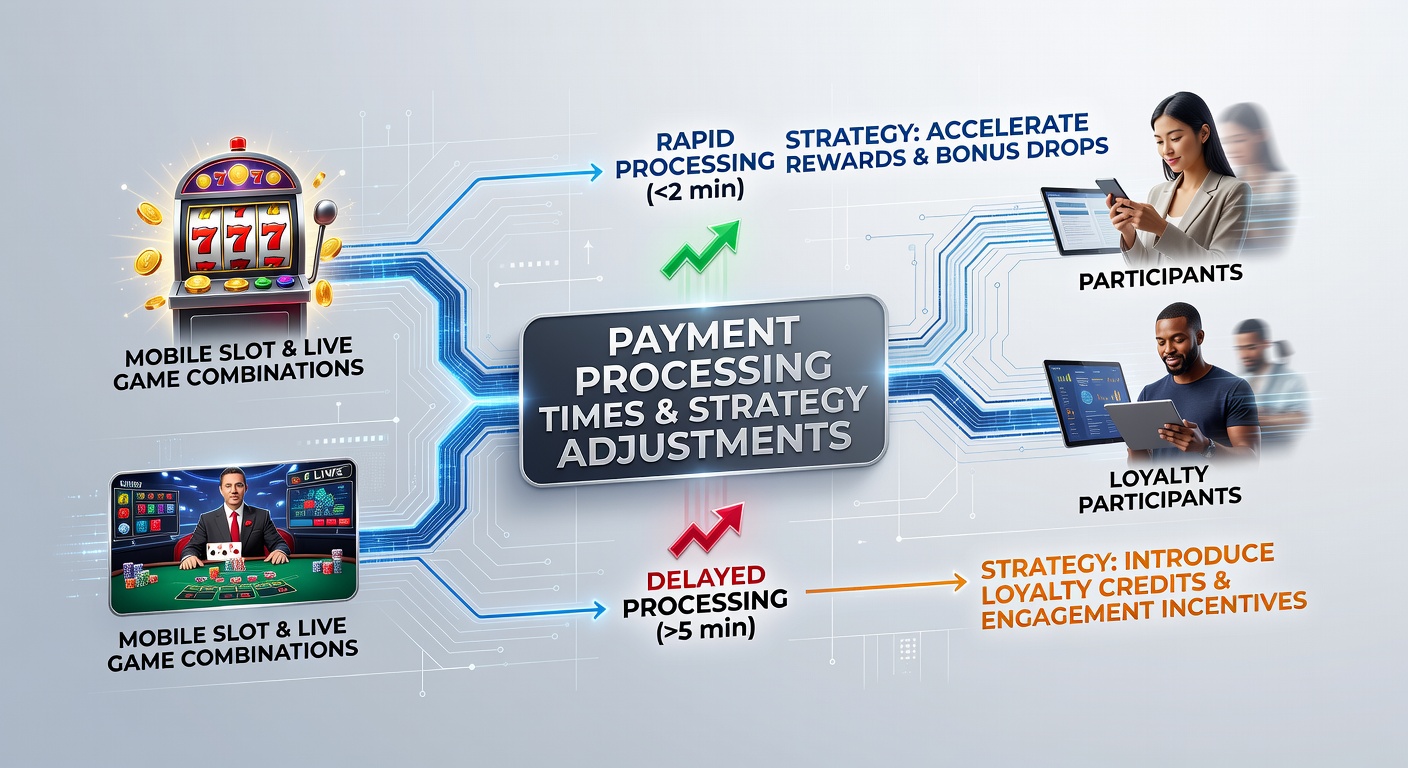
Payment processing times shape how loyalty participants move between mobile slots and live dealer games, and industry data tracks these patterns across multiple platforms. Observers note that shorter transaction windows encourage rapid shifts in game selection, while extended processing periods prompt players to consolidate sessions around specific titles.Payment Processing Dynamics Across Mobile Platforms
Transaction speeds vary by method and operator infrastructure, with e-wallets often completing transfers in under 60 seconds during peak hours while bank transfers extend to several hours. In May 2026, several platforms reported average slot-to-live-game switch times dropping by 18 percent after adopting instant verification protocols, according to figures released by the European Gaming and Betting Association. Loyalty participants monitor these speeds closely because delayed credits limit the ability to chase progressive jackpots or enter time-sensitive live tables without pausing momentum.
Research from gaming analytics firms shows that when processing exceeds three minutes, participants reduce bet sizes by an average of 22 percent to preserve balances during the wait. This adjustment preserves bankroll for later combinations rather than risking funds on single high-volatility spins.
Strategy Adjustments in Game Combinations
Loyalty members frequently alternate between mobile slots and live blackjack or roulette based on cashout velocity. Faster processing supports aggressive cycling through multiple slots before entering live rooms, whereas slower systems lead participants to lock into one slot variant for longer stretches. Data collected through platform telemetry indicates that sessions involving both game types last 14 minutes longer on average when processing clears in real time compared with delayed methods.

One documented pattern involves participants who preload loyalty points during quick e-wallet deposits, then time live game entries to coincide with confirmed credits. When processing lags, these same individuals shift focus to lower-stake slot sequences that require fewer interruptions. Studies from the University of Nevada, Reno gaming research division found that such timing adjustments appear consistently across loyalty tiers above the mid-level threshold.
Loyalty Program Engagement and Transaction Speed
Point accumulation rates tie directly to how quickly players can complete deposit-withdrawal cycles and return to active play. Platforms that publish transparent processing estimates see higher repeat engagement from loyalty participants, with session frequency rising 27 percent in tracked cohorts. Slower systems correlate with reduced multi-game combinations because participants consolidate activity to minimize repeated waits.
Regional variations add another layer. Operators under oversight from the Alcohol and Gaming Commission of Ontario reported that loyalty participants in that jurisdiction adjust live game entry points by an average of 9 minutes when bank transfer times exceed standard windows. These shifts favor slots with built-in bonus rounds that sustain engagement without requiring immediate live table access.
Observed Patterns in May 2026 Data Sets
Telemetry from major mobile operators in May 2026 highlighted a measurable uptick in hybrid slot-live strategies among loyalty members using instant payment rails. Participants combined high-frequency slot spins with selective live entries once credits cleared, producing distinct session signatures compared with earlier periods. Reports indicate that operators offering same-minute processing recorded a 31 percent increase in loyalty point redemptions tied to combined game play.
Those relying on traditional methods showed steadier but less varied patterns, with fewer switches between genres. The difference underscores how processing windows function as a structural constraint on available tactics rather than a player preference alone.
Conclusion
Payment processing times function as a measurable variable that loyalty participants incorporate into mobile slot and live game planning. Shorter intervals expand combination options and support higher-frequency switches, while extended windows narrow tactics toward sustained single-genre play. Platform data through May 2026 continues to map these relationships across loyalty tiers and regions, revealing consistent behavioral responses to transaction speed.